Place Changes The Question
Agricultural challenges rarely exist in the abstract.
Land pressure depends on what surrounds the farm. Water depends on how it moves through a particular landscape. Climate shapes not only what can be grown, but when. Local economies influence who buys food, while infrastructure determines what kinds of farming are physically possible.
The interviews in Farmers’ Voices therefore belong not only to particular people, but to particular places.
What becomes visible when agricultural experience is read through place?
Utah
Cedar City · Oakley · PeoaOne State, Different Agricultural Conditions
Three of the strongest cases in the current archive come from Utah.
They share a state government and some broad regional conditions, but the environments surrounding them are very different. In Southern Utah, housing development presses against agricultural land.In the mountains, altitude shortens the growing season while a resort economy creates a specialized market. In Peoa, pasture depends on mountain water, irrigation infrastructure, and continued access to leased land.
The result is not one story of “Utah agriculture.”
It is three different relationships between agriculture and place.
Utah
3 field sites2322 West 4375 North, Cedar City, UT
Open in mapsRegional locations shown by locality. Open a farm’s address for directions.
01 / Cedar City
When The Agricultural Edge Becomes A Residential Edge
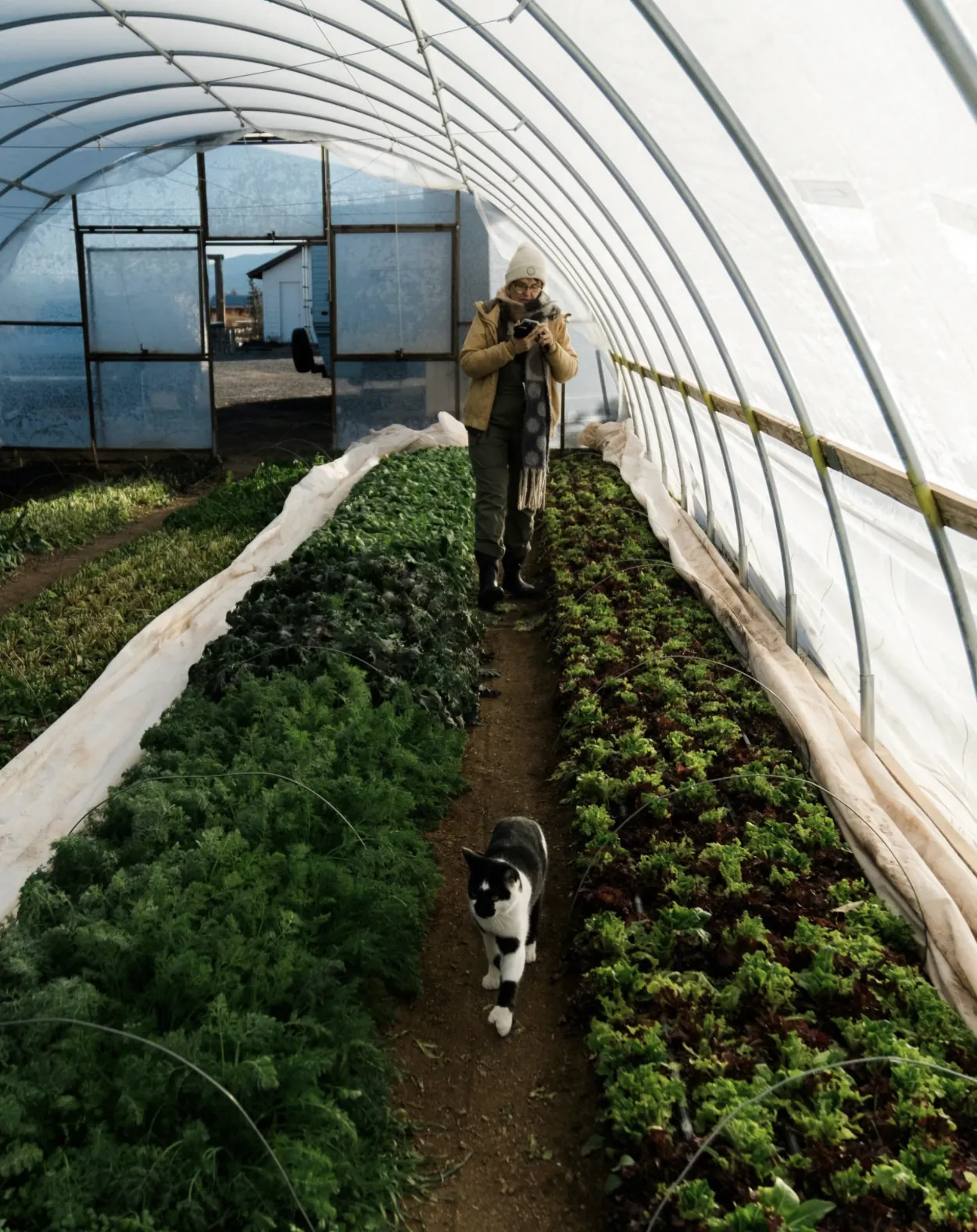
Red Acre sits within a landscape that Sara describes as increasingly shaped by housing development.
Cedar City once had a stronger agricultural character, including more visible alfalfa production. As residential development expands, farmland can become more valuable for what could be built on it than for what can be grown on it.
Water adds another layer. Red Acre relies on groundwater from the local aquifer, while Sara describes a valley in which development and groundwater recharge have become increasingly connected concerns.
Here, agriculture is not isolated from urban growth.
It is competing within the same landscape for both land and water.
Place-Based Question
What happens to farming when agriculture is no longer the most economically valuable use of the land?
02 / The Mountain Resort Region
A Short Growing Season Beside A Tourism Economy
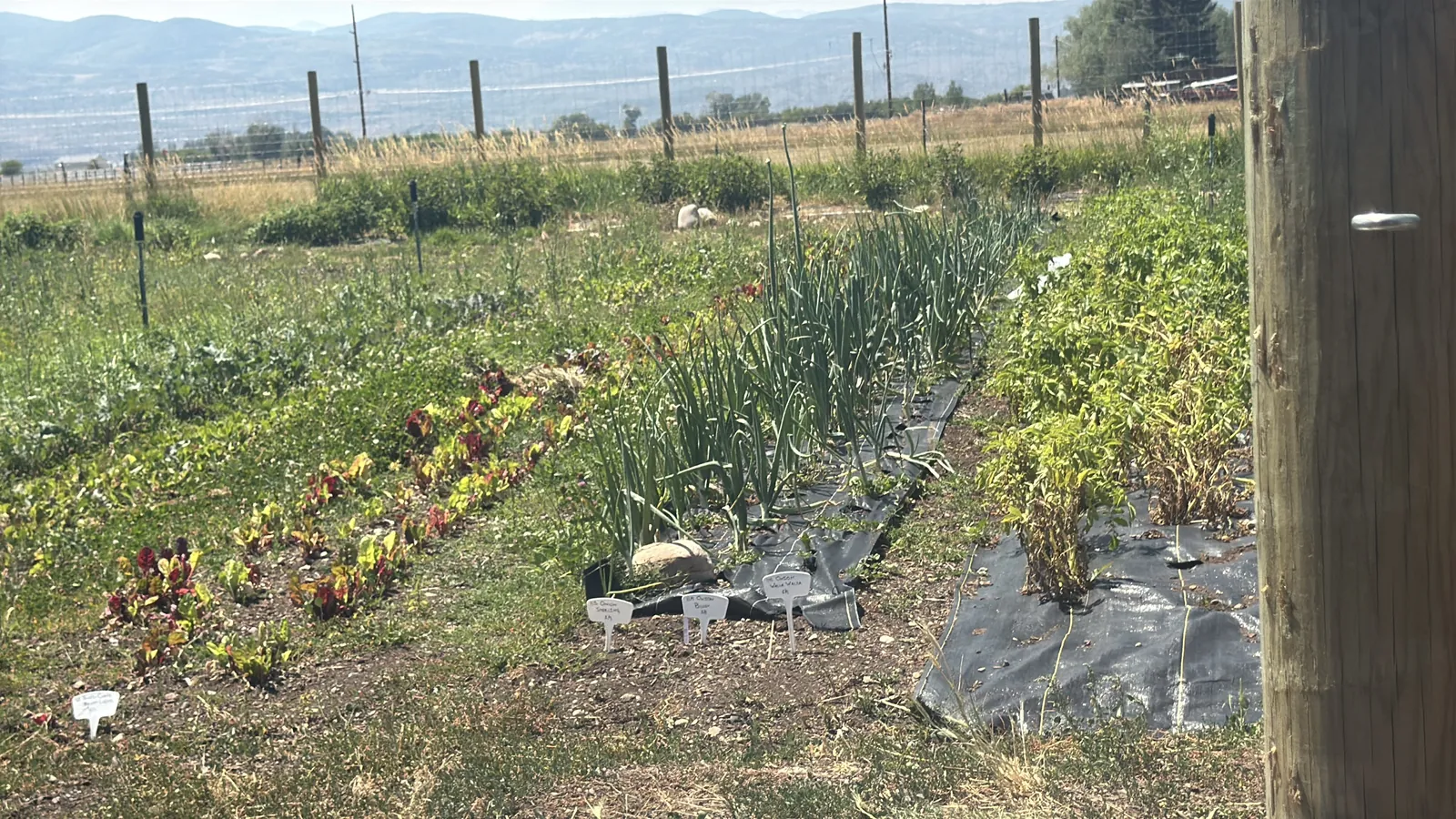
At Splendor Valley, altitude changes the agricultural calendar.
Stephen describes starting seedlings in April or May, transplanting them in June, and generally finishing harvest by mid-October. Frost remains a major risk, and local residents describe weather that can be difficult to predict.
But climate shapes more than production.
The surrounding economy is closely tied to ski resorts. Those resorts provide restaurant customers for the farm, while low-snow winters have also encouraged Stephen to think about future forms of agritourism.
The same landscape therefore creates both a constraint and a market.
Altitude limits the growing season. Tourism helps shape who buys what is grown.
Place-Based Question
What happens when the local climate shapes both agricultural production and the economy surrounding it?
03 / Peoa
Farming Through Water, Elevation, And Access
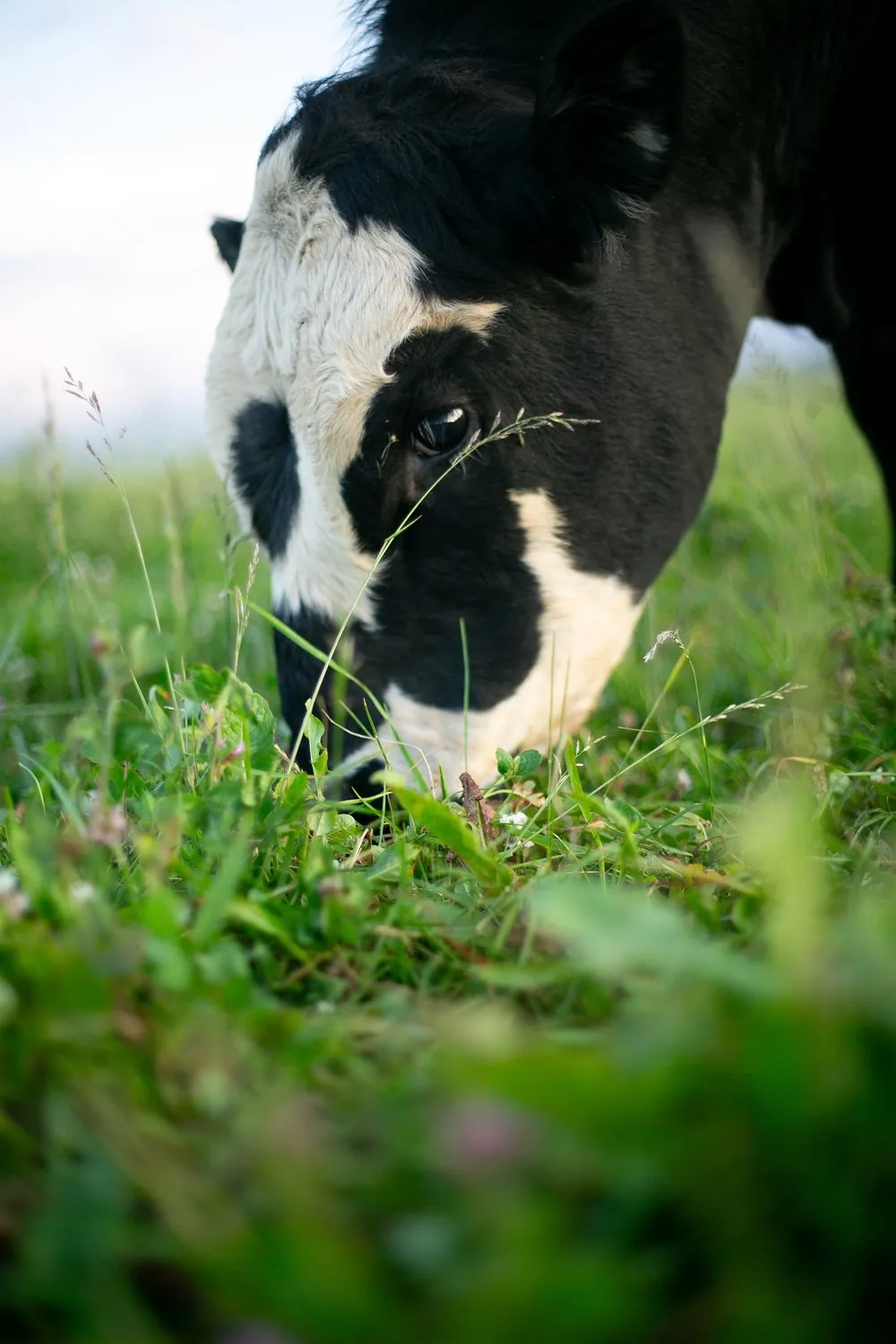
At 3 Springs, the physical landscape enters ranching through infrastructure.
Mitch describes water descending from the Uinta Mountains through the Weber Canyon drainage. Elevation helps create pressure in a system of underground irrigation pipes serving pasture in the area.
During summer, much of the ranch’s work becomes water work: operating valves, moving sprinklers, shifting troughs, and protecting irrigation equipment.
Land access introduces another condition.
The ranch operates on leased property, meaning ecological management takes place on land whose long-term access still depends on renewal.
Here, place is shaped by more than scenery.
It is a combination of topography, water infrastructure, and land tenure.
Place-Based Question
How do you manage land for the long term when both water and access depend on systems beyond the ranch itself?
Reading Utah Together
The three Utah cases make one point especially clear:
Geography does not produce one agricultural experience. Even within the same state, agriculture can be shaped by very different local conditions.
Cedar City makes development pressure visible.
The mountain resort region connects climate with a tourism economy.
Peoa makes irrigation infrastructure and land tenure central to everyday management.
The meaningful scale of comparison is therefore not simply state to state.
Sometimes the more useful question is: What is happening around this particular farm?
Texas
ElginTwo Positions, Two Agricultural Worlds
The Texas material now offers two very different ways of encountering agriculture.
At Simple Promise Farms, the archive follows daily work from the position of an employee: heat, crop cycles, market preparation, volunteers, and tasks that cannot wait.
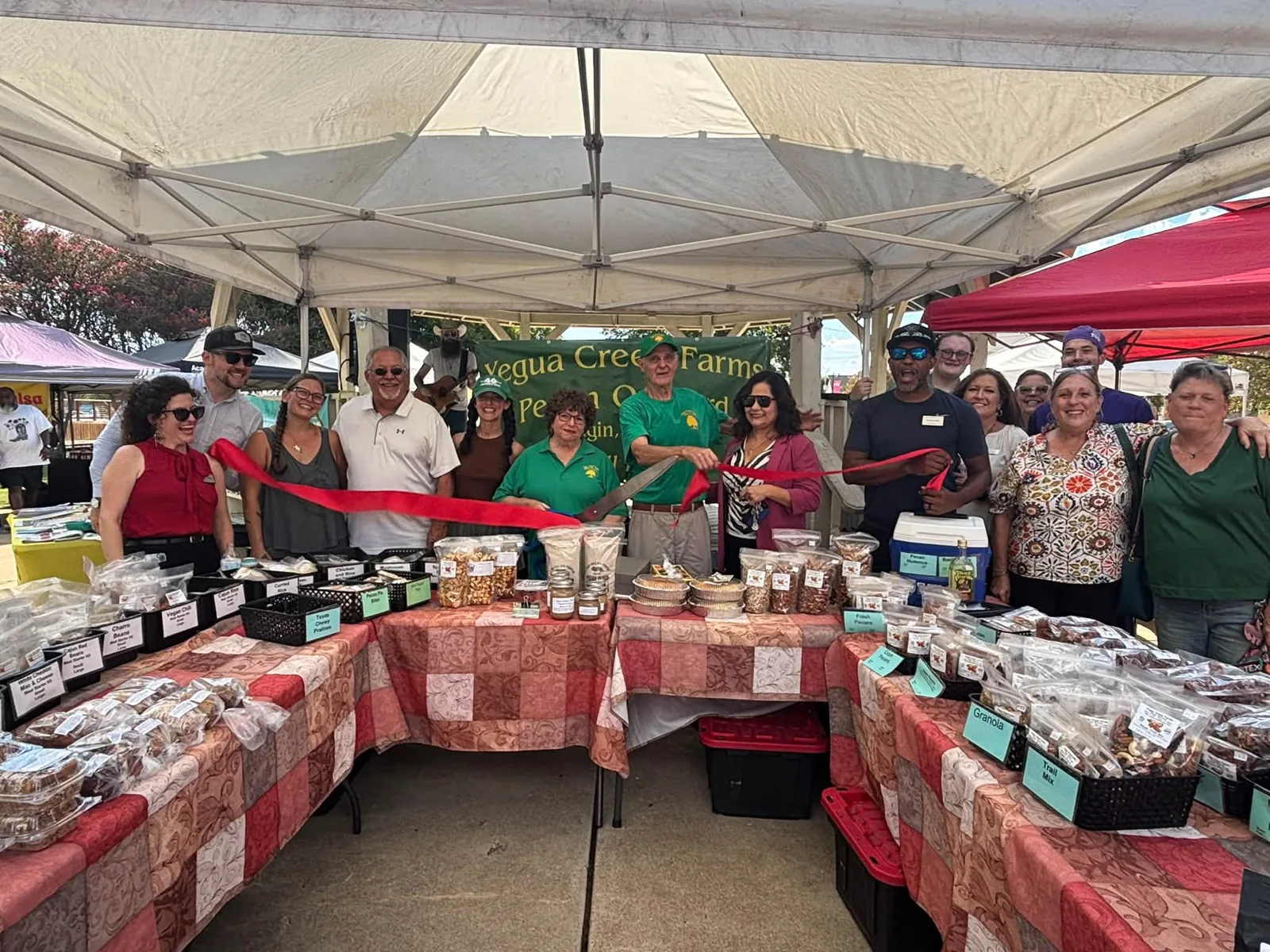
At Yegua Creek Farms near Elgin, the perspective shifts to a long-established pecan orchard and the ways an agricultural product can move beyond the field into processing, markets, and small-business experimentation.
Neither case represents Texas agriculture as a whole.
Together, however, they widen the kinds of agricultural experience visible in the archive.
Texas
2 field sites4600 County Road 467, Elgin, Texas
Open in mapsRegional locations shown by locality. Open a farm’s address for directions.
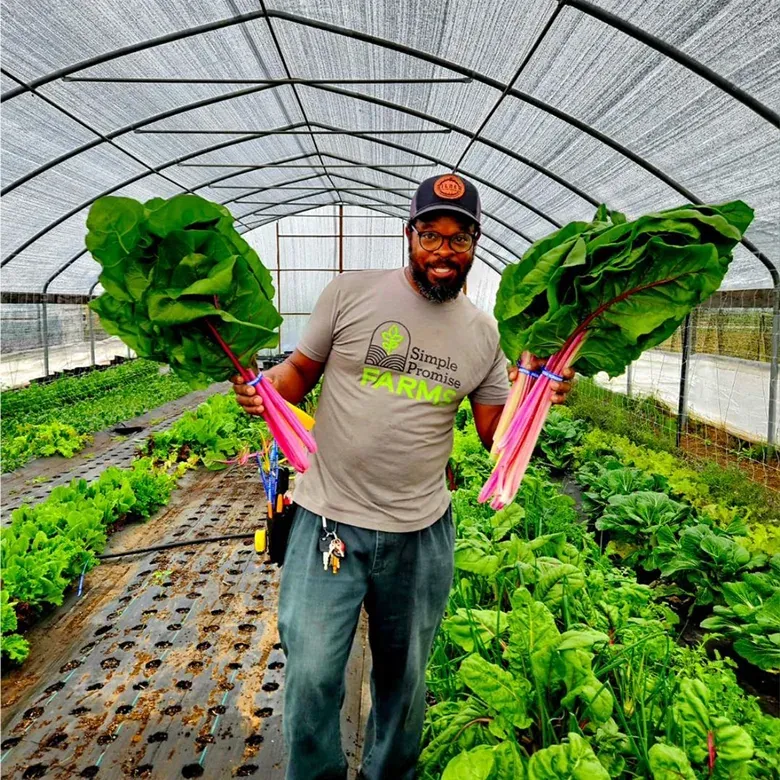
04 / Simple Promise Farms
Heat Changes The Calendar
The Simple Promise employee describes a farm that continues growing and preparing throughout the year.
Cold periods require crops to be covered.
At the opposite extreme, intense summer heat limits what can be grown and slows the arrival of some crops.
Rows therefore exist in different stages at the same time: established crops, new growth, and ground being prepared for what comes next.
Seasonality here is not a clean division between an “on” season and an “off” season.
It is a continuous adjustment to changing conditions.
Place-Based Question
What does year-round agriculture look like when the limiting condition changes from winter cold to extreme summer heat?
05 / Yegua Creek Farms
When An Orchard Becomes More Than An Orchard
Yegua Creek Farms sits in the Elgin area of Central Texas.
The orchard connects the present-day farm with a much longer agricultural landscape.
Yet the business built around those trees continues to change.
Pecans move from orchard to farmers market, from raw ingredient to baked goods, and from harvest to products prepared in a commercial kitchen. Even pruned pecan wood can become another product rather than simply waste.
Place therefore operates here through continuity and adaptation.
The trees may remain.
What the farm does with them can continue to evolve.
Place-Based Question
How can an established agricultural landscape support new forms of small-farm enterprise?
Reading Texas Together
The two Texas cases reveal different relationships between place and agricultural work.
Simple Promise shows how extreme heat and seasonal change enter everyday production.
Yegua Creek shows how an established orchard can become the basis for processing, local markets, and new products.
One begins with the work required each day.
The other begins with a resource already rooted in the land.
Together, they suggest that adaptation can mean very different things:
changing what you grow, changing when you work, or changing what you make from what already grows.